Categories
Personal Growth Wellbeing

The Power of Listening in a Noisy World: Compassion, Connection and Self-Awareness


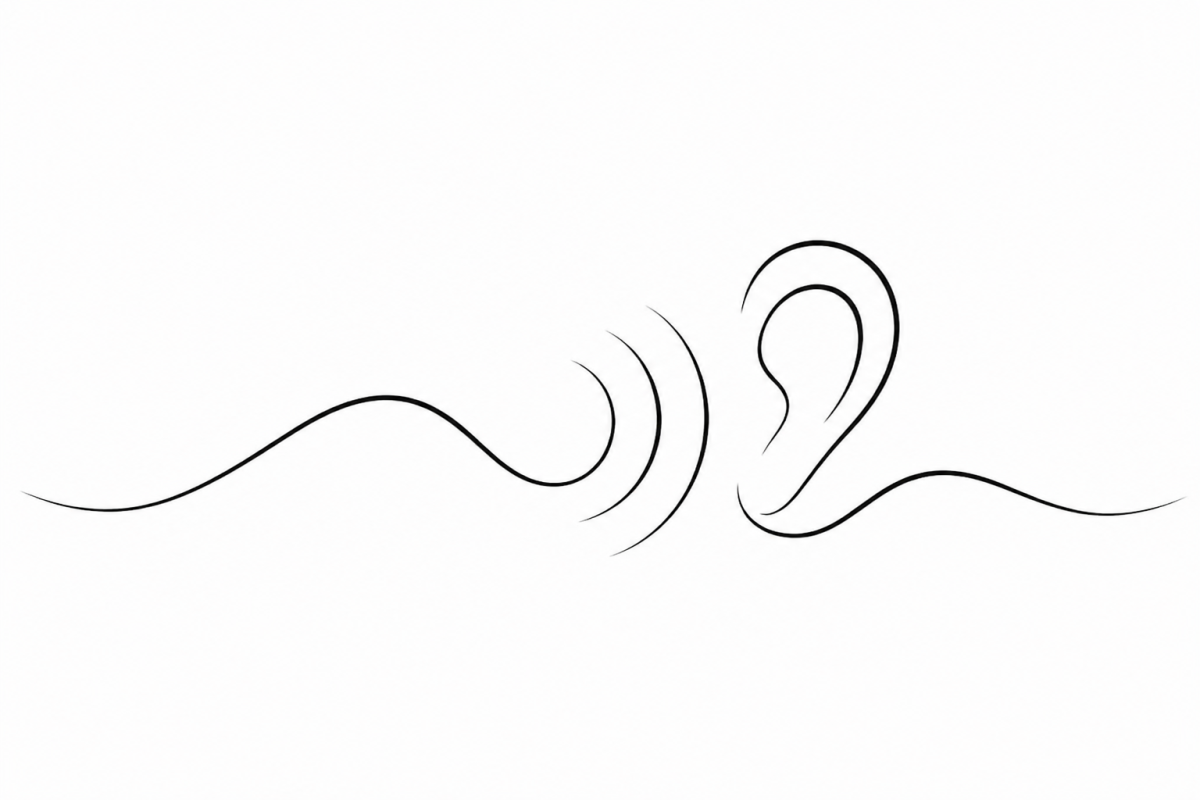
We live in a world that often encourages us to speak quickly, react immediately, and share our opinions before fully understanding what is being said. Social media, news headlines, and everyday conversations can sometimes leave little room for reflection. Yet one of the most valuable skills we can develop is surprisingly simple: listening.

Listening is at the heart of meaningful relationships. It helps us understand ourselves, connect with others, and navigate life’s challenges with greater awareness and compassion. In counselling and psychotherapy, listening is often considered one of the most important therapeutic skills. However, its value extends far beyond the therapy room.

Many of us have experienced what it feels like to be truly listened to. There is something deeply affirming about being heard without interruption, judgement, or the pressure to provide the “right” answer. Equally, most of us have experienced conversations where we felt misunderstood, dismissed, or unheard.

Listening is not simply waiting for our turn to speak. Genuine listening involves curiosity, presence, and a willingness to understand another person’s perspective. It requires us to pause, pay attention, and sometimes set aside our own assumptions.

Before we can listen effectively to others, we often need to learn how to listen to ourselves. Self-awareness begins when we take time to notice our thoughts, feelings, reactions, and needs. Many people spend their lives responding to external demands whilst paying little attention to their inner world. Yet personal growth often begins when we slow down enough to hear what is happening within us.

Listening to ourselves can help us recognise when we are tired, overwhelmed, anxious, hurt, or in need of support. It can also help us identify our strengths, values, hopes, and aspirations. The more aware we become of our own inner experiences, the better equipped we are to understand the experiences of others.

Listening also invites compassion. When we truly listen, we often discover that beneath disagreements, frustrations, and differences lie common human experiences. Most people want to feel valued, understood, respected, and connected. Remembering this can help us approach others with greater kindness and empathy.

Compassion is not only something we offer to others. It is also something we can offer to ourselves. Many individuals speak to themselves in ways they would never speak to a friend. Self-compassion encourages us to respond to our struggles with understanding rather than criticism. It reminds us that being human involves making mistakes, experiencing setbacks, and facing uncertainty.

The Serenity Prayer offers a timeless reminder:

“Grant me the serenity to accept the things I cannot change, courage to change the things I can, and wisdom to know the difference.”

There is great wisdom in these words. Much of our stress comes from attempting to control things beyond our influence. Acceptance does not mean giving up. Rather, it means recognising reality as it is and focusing our energy on what we can do.

Another simple but powerful principle is to take life one day at a time. Many of us spend significant energy worrying about what might happen tomorrow. Yet tomorrow often unfolds differently from what we imagined. Bringing our attention back to the present moment can help reduce anxiety and increase our appreciation of what is already here.

The words, “Do not worry about tomorrow, for tomorrow will worry about itself,” remind us that we are not required to solve every future problem today. Sometimes the most helpful step is simply to focus on the next right thing in front of us.

In challenging times, it can be easy to become overwhelmed by conflict, uncertainty, and negativity. Yet beauty, kindness, and goodness still exist around us. A conversation with a friend, a walk in nature, a blooming flower, an act of generosity, or a moment of quiet reflection can remind us of what matters most.

Perhaps the invitation is simple:

Listen more.

Listen to yourself.

Listen to others.

Pause before reacting.

Choose kindness where possible.

Practice compassion for yourself and for those around you.

And remember that whilst we may not always be able to change the world, we can influence the way we respond to it.

Sometimes that is where meaningful change begins.

Reflection Questions

  • When was the last time you felt truly listened to, and what made that experience meaningful?
  • How well do you listen to yourself when you are feeling stressed, overwhelmed, or emotionally challenged?
  • Are there situations where you react quickly rather than pause and reflect? What might change if you gave yourself more time before responding?
  • How do you typically speak to yourself when things go wrong? Would you speak to a friend in the same way?
  • What assumptions do you sometimes make about others, and how might greater curiosity change your understanding?
  • What is one thing in your life that you need to accept, and one thing you have the courage to change?
  • Looking back on this week, what have you learned about yourself through your interactions with others?
  • What small act of kindness could you offer yourself or someone else today?
Categories
Anxiety & Overthinking Emotional Awareness Emotional Wellbeing Mental Health Personal Growth Self-Reflection

The Intrigue of Avoidance


Avoidance often feels good in the moment.

It lowers discomfort.
It quiets pressure.
It gives temporary relief from difficult emotions, responsibilities, conversations, or fears we do not yet feel ready to face.

But over time, avoidance can quietly keep us stuck in the very cycle we are trying to escape.

The more we avoid:

  • the heavier things can begin to feel,
  • the louder anxiety may become,
  • and the harder it can feel to begin again.

Avoidance is not always laziness or lack of motivation. Sometimes it is emotional protection.

Sometimes we avoid because we feel overwhelmed.
Sometimes because we fear failure, judgement, rejection, conflict, or disappointment.

Gentle awareness can help us notice what sits underneath the avoidance rather than simply criticising ourselves for it.

Creative Reflection Questions

  • What am I currently avoiding emotionally?
  • What discomfort am I trying to escape?
  • What feels difficult about facing this situation?
  • What might happen if I took one small step instead?
  • What would a gentler response toward myself look like today?

Sometimes healing begins not with forcing ourselves forward, but with understanding what is making us stay still.

Categories
Anxiety & Overthinking Emotional Awareness Emotional Wellbeing Mental Health Motivation Personal Growth Reflective Practice Self Compassion

The Pause Before Action: Understanding Procrastination

Procrastination is rarely just laziness.

Sometimes procrastination is fear wearing comfortable clothes.

Fear of failure.
Fear of judgement.
Fear of not being good enough.
Fear of getting it wrong.
Fear of succeeding and no longer recognising yourself.
Fear of being seen.

The longer we avoid the task, the heavier it often becomes emotionally. What may have started as a small responsibility can slowly grow into guilt, pressure, shame, anxiety, and self-criticism.

Many people silently carry thoughts such as:

  • What if I fail?
  • What if it’s not good enough?
  • What if people judge me?
  • What if I disappoint myself?
  • What if I cannot cope once I begin?

Procrastination can sometimes act as emotional protection. Delaying the task delays the discomfort attached to it. For some people, procrastination develops from perfectionism, self-doubt, burnout, overwhelm, anxiety, or earlier experiences of criticism and pressure.

When we constantly feel we must perform perfectly, even starting can feel emotionally exhausting.

At times, procrastination may also reflect emotional exhaustion rather than lack of motivation. When individuals feel emotionally overwhelmed, disconnected, unsupported, or mentally drained, even simple tasks can begin to feel heavy.

The inner critic often becomes louder during procrastination:

  • You should be doing more.
  • Why can’t you just get on with it?
  • Everyone else seems able to cope.
  • You are falling behind.

But harsh self-criticism rarely creates sustainable motivation. More often, it increases anxiety, avoidance, shame, and emotional paralysis.

Gentle self-awareness can create more movement than punishment.

Instead of asking:

Why am I so lazy?

it can sometimes help to ask:

  • What am I feeling underneath this avoidance?
  • What feels emotionally difficult about beginning?
  • Am I overwhelmed, afraid, exhausted, or disconnected?
  • What small step feels manageable right now?

Healing procrastination is not always about becoming more disciplined. Sometimes it is about developing greater emotional understanding, self-compassion, and realistic expectations of ourselves.

Progress does not always begin with a giant leap.

Sometimes progress begins with:

  • opening the document,
  • writing one sentence,
  • replying to one email,
  • taking one breath,
  • or allowing yourself to begin imperfectly.

You do not need to complete everything today.

You only need to take one small step toward yourself.

 Reflection Questions

 What emotions tend to sit underneath my procrastination?

  • What am I afraid might happen if I begin?
  • Do I associate productivity with self-worth?
  • What would a gentler approach toward myself look like?
  • What is one small step I could take today without pressure or perfection?

Sometimes the pause before action is not weakness.

Sometimes it is a sign that part of you needs understanding, reassurance, and emotional safety before moving forward.


Categories
Society, Identity & Human Connection

Beyond Buzzwords: The Importance of Real Conversations in Today’s World

We live in a time where certain words and phrases appear everywhere. Inclusion. Diversity. Equality. Mental health. Identity. Empowerment. Awareness. These words are often repeated across workplaces, education, media, and social platforms. Yet many people are quietly asking the same question: are we truly listening to one another, or are we simply repeating language that sounds acceptable?

At Reflect On Academy, we believe meaningful conversations require more than surface-level understanding. They ask us to pause, reflect, and consider the lived experiences of others, even when those experiences are different from our own. They ask us to move beyond performance and towards genuine human connection.

Today’s society is filled with pressure. Many people feel they must constantly prove themselves, fit into expectations, or hide parts of who they are in order to feel accepted. Some grow up feeling unheard or overlooked. Others carry the weight of cultural expectations, generational experiences, social judgement, or silent struggles that are not always visible from the outside.

There are also growing conversations around identity, relationships, respect, fairness, and belonging. While these discussions can sometimes become divided or politicised, underneath them often lies a very human need: the desire to feel valued, understood, safe, and respected.

At times, society encourages people to speak quickly rather than reflect deeply. Social media can reward outrage more than understanding. Labels can replace curiosity. Assumptions can replace dialogue. Yet real growth often begins when people are willing to slow down and genuinely listen to one another’s stories and perspectives.

We also recognise that people experience the world differently. Some individuals think, learn, communicate, or process emotions in ways that may not fit traditional expectations. Others may have grown up navigating cultural misunderstandings, prejudice, or environments where they felt pressure to silence their voice in order to belong. These experiences can affect confidence, relationships, wellbeing, and identity in profound ways.

This is why empathy matters. Not performative empathy, but the kind that requires patience, humility, and self-awareness. The kind that allows people to ask questions, reflect on their own biases, and remain open to learning throughout life.

Meaningful conversations are not about saying the perfect thing. They are about developing awareness, accountability, compassion, and the courage to engage with complexity rather than avoid it. They are about recognising the humanity in others, even when we do not fully understand their experience.

At Reflect On Academy, we believe education and personal development should encourage thoughtful reflection rather than fear or silence. We believe people grow when they feel able to explore difficult topics in respectful and meaningful ways. We believe emotional wellbeing, creativity, culture, identity, and human relationships are deeply connected.

Most importantly, we believe growth is not reserved for a select group of people or professions. It belongs to everyone. Every person has a story. Every person carries experiences that shape the way they see themselves and the world around them.

Perhaps the most important question we can ask ourselves is not whether we know the right words, but whether we are truly willing to listen, reflect, and grow.

Categories
Uncategorized

When the Journey Feels Like Too Much


There are times in life when everything feels heavy.
When even the smallest step forward feels out of reach.

In those moments, it is not always strength we need first—
but something simpler.

Rest.
Nourishment.
A pause.

Sometimes we expect ourselves to keep going, to push through,
to find answers immediately. But there are times when the journey ahead
is simply too much to carry all at once.

And so, we begin with what is here.

A moment to breathe.
Something small to sustain us.
The quiet recognition that we are still here.

From the outside, things may look uncertain—unchanged even.
But not everything is visible in the moment.
Some things are still forming, still finding their way.

There may be periods of waiting.
Not passive waiting, but a kind that asks for patience—
for trust in the process, even when the outcome is unclear.

There will be doubt.
Moments when it feels like nothing is moving.

And yet, change often happens quietly.
Through small steps.
Through support—sometimes from unexpected places.
Through simply continuing, even when it feels slow.

When the path feels too much,
you don’t have to carry it all at once.

Take what you can.
Pause when you need to.
Then begin again.

Categories
Healing & Personal Growth

When It Feels as Though You Don’t Have a Voice


There are moments when words don’t come.
Not because there is nothing to say,
but because something within feels held back.

It can feel as though your voice has gone quiet—
lost somewhere between what you feel
and what you believe you are allowed to express.

This is not always about silence.
Sometimes, it is about hesitation.
A pause shaped by doubt, fear, or past experiences
where speaking did not feel safe.

In these moments, it can be tempting to push for clarity,
to force words into place.

But perhaps the voice is not gone.
Perhaps it is waiting.

Waiting for space.
Waiting for permission.
Waiting to be heard—first by you.

There is a quiet beginning in noticing this.
In recognising that even without words,
something is present.

And from that place, gently,
a voice can begin to return.

Not all at once.
But enough.

Categories
Reflection

Sitting with What Remains


There are moments when life does not ask us to act, fix, or solve.
It asks something quieter.

To sit.

To notice what has already unfolded.

To recognise that our choices—small or significant—leave traces. Not always visible to others, but felt within. A shift in direction. A pause in momentum. A subtle awareness that something has changed.

This is not about blame.
It is not about getting it right or wrong.

It is about presence.

When we allow ourselves to sit with the impact of our choices, we step out of avoidance and into awareness. And awareness, although sometimes uncomfortable, is where something honest begins.

We may feel regret.
We may feel relief.
We may feel nothing at all.

Each response has meaning.

There is a quiet strength in staying with what is—without rushing to soften it or reshape it. In that stillness, we begin to understand ourselves differently. Not as fixed or flawed, but as human. Learning. Adjusting. Becoming.

Sometimes the most meaningful shift does not come from doing more,
but from being willing to stay.

And in that space, something settles.

Not perfectly.
Not completely.
But enough to take the next step—more aware than before.

Categories
Emotional Awareness

Untangling Shame and Guilt

Untangling Shame and Guilt

Shame and guilt often get spoken about as if they’re the same thing, but anyone who has felt them knows they land very differently. Both can be uncomfortable, both can linger, and both can shape how we see ourselves, yet understanding the distinction between them can be the first step toward emotional clarity and healthier self‑reflection.

What Shame Feels Like

Shame is deeply personal. It is the sense that something is wrong with me.

It is not about a specific action; it is about identity. Shame tells us we are flawed, unworthy, or “not enough.” It pushes us inward, making us want to hide, withdraw, or disappear.

Shame often sounds like:

  • “I am a failure.”
  • “I am not good enough.”
  • “If people really knew me, they would reject me.”

Because shame attacks the self, it can be paralysing. It does not encourage growth; it encourages avoidance.

What Guilt Feels Like

Guilt, on the other hand, is about behaviour. It is the recognition that I did something wrong, not that I am something wrong.

Guilt can be uncomfortable, but it is also constructive. It points us toward repair, responsibility, and change.

Guilt often sounds like:

  • “I should not have said that.”
  • “I made a mistake.”
  • “I need to fix this.”

Where shame shuts us down, guilt can open a path forward.

Why We Confuse the Two

Shame and guilt often show up together, especially when we care deeply about how our actions affect others. A small mistake can quickly spiral from guilt (“I messed up”) into shame (“I am a terrible person”).

This shift is subtle but powerful, and it is where emotional overwhelm often begins.

Moving From Shame Toward Growth

The key is learning to separate who you are from what you did.

A mistake does not define your worth. A moment of poor judgment does not erase your value. When we can name guilt without collapsing into shame, we give ourselves room to learn, apologise, repair, and move on.

Some helpful reminders:

  • You can acknowledge harm without attacking yourself.
  • You can take responsibility without losing self‑
  • You can grow without punishing yourself.

Final Thoughts

Untangling shame and guilt are not about avoiding uncomfortable feelings, it is about understanding them. When we recognise the difference, we reclaim our ability to respond rather than react. We become kinder to ourselves, more honest with others, and more capable of meaningful change.


Categories
Creative Expression & Wellbeing Creativity and Healing Emotional Wellbeing

A River of Feeling

There are seasons when our inner world feels less like a tidy landscape and more like a river, moving, shifting, carrying things we didn’t expect. Some days the water is clear. Other days it’s muddied by emotion, memory, or simple human overwhelm. But even then, it keeps flowing.

Your image, those soft curves, the quiet movement, the sense of depth, captures something important: feelings don’t arrive in straight lines. They meander. They widen and narrow. They change pace. And creativity can help us travel with them rather than against them.

Letting the current guide you

When life feels heavy or reflective, we often reach for solutions. But sometimes what we need is space, a place where feelings can move without being judged or tidied away. Creative expression can offer that. A sketch, a few lines in a journal, a loose wash of colour… these small acts can become a gentle container for whatever is flowing through.

Soft edges, honest moments

Rivers rarely have sharp edges, and neither do our emotions. They blur, overlap, and shift. Creativity invites us to meet them with the same softness. You don’t need to define everything you feel. You don’t need to make sense of it straight away. You can simply notice the shapes it takes, the colours, the textures, the pace.

Sometimes that noticing is enough.

When expression becomes care

There’s something quietly supportive about giving your feelings a place to land. Not to fix them, but to acknowledge them. When you create from honesty rather than pressure, creativity becomes less about producing something and more about tending to yourself.

It’s a way of saying: I’m here. I’m listening. I’m allowed to feel this.

Moving with, not against

A river doesn’t rush every day. Some days it barely moves. Creativity is the same. There will be moments of flow and moments of stillness. Neither is wrong. Both are part of the landscape.

What matters is that you stay in conversation with yourself, gently, without expectation.

A small invitation

If you were to sit beside your own river of feeling today, what would you notice?

A colour
A shape
A movement
A quiet shift inside you

Whatever it is, let it be enough.

Creativity doesn’t demand perfection. It simply asks for presence. And sometimes, the most meaningful act of self‑kindness is allowing yourself to meet your inner world exactly as it is, flowing, changing, alive


Categories
Creative Expression & Wellbeing Personal Growth

Nurturing Your Creative Self: Ways to Reconnect with Inspiration

As we move through times that feel heavier or more reflective, it can help to notice the small ways creativity supports us. Not in big, dramatic gestures, but in the quieter ones. It often sits nearby, waiting for us, like an old friend who doesn’t need everything explained.

During these moments, whether they’re emotional, transitional, or simply part of being human, it’s worth remembering that creativity isn’t distant or rare. It’s close. It responds to honesty. And at times, it becomes a gentle form of care.

Here are a few ways you might reconnect with your creative self and offer yourself some kindness along the way.

Let what you feel have a voice

Sometimes emotions need space rather than solutions. Creative expression can offer that space. A journal, sketchbook, or even a scrap of paper can become a private place for feelings to land safely.

Reflection: If your emotions had colours or shapes today, what might they be?

Choose comfort over pressure

Creativity doesn’t have to be ambitious. Simple, familiar activities can be deeply steadying, baking something warm, arranging photographs, or making something small with your hands.

Reflection: What gentle activity feels reassuring rather than demanding right now?

Invite lightness and play

A moment of humour can shift the atmosphere inside us. Playfulness loosens tension and reminds us that not everything meaningful has to be serious.

Reflection: What could you make purely for enjoyment, with no purpose other than to lift your spirits?

Step outside and notice

Nature has a quiet way of restoring perspective. A short walk, sunlight on your face, or simply watching the sky can soften mental noise and spark inspiration.

Reflection: What detail in nature catches your attention today?

Share moments with others

Creativity doesn’t always need to be solitary. Being around people who feel safe or encouraging can rekindle warmth and motivation.

Reflection: Who could you spend time with that helps you feel more like yourself?

Shape meaning from experience

Your thoughts, memories, and feelings can become material for expression, words, images, symbols, or sounds. Creating from lived experience can feel grounding and empowering.

Reflection: What theme feels personally meaningful to explore creatively this week?

Work with materials that feel freeing

Some materials invite spontaneity more than others. Quick sketches, loose brushstrokes, clay, collage, anything that allows movement without overthinking can help expression flow.

Reflection: Which materials help you feel most unrestricted?

Let your body participate

Movement can shift emotional energy and refresh perspective. Even gentle stretching or a slow walk can open space for new ideas.

Reflection: Where might a short wander or stretch take your imagination?

Create moments of stillness

Quiet pauses allow thoughts to settle. In that calm, creativity often returns naturally. Slow, repetitive art forms or mindful doodling can be especially soothing.

Reflection: What simple activity helps you settle into a peaceful focus?

Welcome fresh experiences

Trying something unfamiliar can gently awaken curiosity. A new place, a different art form, or a small change in routine can bring renewed energy.

Reflection: What small new experience could you offer yourself this week?

A Closing Thought

Creativity isn’t only about making something; it’s also a way of tending to yourself. When approached with gentleness rather than expectation, it becomes less about producing and more about connecting.

You don’t need perfect conditions to begin. Just a moment of willingness.

And perhaps that is one of the simplest acts of self‑kindness: showing up for yourself, exactly as you are.