Categories
Emotional Wellbeing Navigating Change Personal Growth Personal Growth & Mindset Personal Growth and Wellbeing Resilience & Mindset

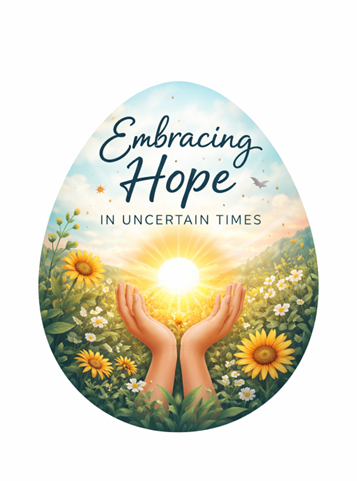
Embracing Hope in Uncertain Times

In times of uncertainty and challenge, hope is a powerful source of strength and resilience. It is the light that guides us through our darkest moments, a belief that better days lie ahead. This blog explores the significance of hope and offers practical strategies to cultivate it in our lives.

The Power of Hope

Hope is far more than wishful thinking; it is a dynamic and empowering force. It drives us to move forward, overcome obstacles, and envision a brighter future. Hope fuels our aspirations and provides the foundation for perseverance, giving us a sense of control and purpose during uncertain times.

Cultivating Hope

Focus on What You Can Control

Uncertainty can feel overwhelming, but focusing on what we can control restores our sense of agency. We regain purpose by shaping our daily routines, managing our reactions, or working on personal development. Setting small, achievable goals and making steady progress fosters a sense of accomplishment and nurtures hope.

Practice Gratitude

Gratitude shifts our focus from scarcity to abundance. We cultivate a hopeful mindset by reflecting on the positives in our lives. Simple practices like keeping a gratitude journal or acknowledging daily moments of thankfulness can enhance optimism and foster resilience.

Connect with Others

Hope often grows in the presence of support and encouragement. Strengthening family, friends, or community relationships can provide a profound sense of belonging and optimism. Regular conversations, shared experiences, and celebrating others’ successes can reinforce mutual hope and positivity.

Embracing Hope During Adversity

Find Meaning in Challenges

Adversity can spark growth and transformation. We gain perspective and resilience by reframing challenges as opportunities to gain experience and evolve. Reflecting on past triumphs over difficulties reminds us of our strength and reinforces a hopeful outlook.

Visualize a Positive Future

Visualization helps us turn hope into action. Imagining a positive future and charting its steps inspires commitment and focus. This practice provides clarity and motivation, anchoring our aspirations in achievable goals.

Practice Self-Compassion

Hope thrives when we treat ourselves with kindness. Self-compassion means acknowledging our struggles, offering ourselves understanding, and recognizing that challenges are a shared human experience. This approach helps us navigate adversity with grace and confidence.

Conclusion

Hope is a beacon of light that guides us through life’s uncertainties. We can nurture hope and resilience by focusing on what we can control, practising gratitude, building connections, finding meaning in challenges, visualizing a positive future, and extending self-compassion.

Remember, hope is not passive; it is an active force that empowers us to move forward, even in the face of adversity. Embrace hope and let it illuminate your journey toward a brighter future.


Categories
Community & Relationships Compassion and Connection Emotional Wellbeing Personal Growth Resilience & Mindset

Connection in a Fragmented World

In an increasingly fragmented world, cultivating compassion has never been more vital. Compassion transcends empathy by inspiring us to take action that alleviates suffering, bridges divides, and strengthens communities. This blog explores practical steps to nurture compassion and overcome barriers hindering growth.

The Power of Compassion

Compassion is not just about understanding and sharing others’ feelings. It is a transformative force that can bring about positive change, foster connection, and unite even in the face of division. We can contribute to healing by practising compassion and creating stronger, more inclusive communities.

Steps to Strengthen Compassion

Practice Active Listening

Active listening is at the heart of compassionate communication. It requires genuine attention, free from judgment or interruption, to truly hear and understand others. This practice validates their experiences and deepens interpersonal connections.

Show Empathy and Understanding

Empathy is the cornerstone of compassion. It is about responding with kindness and support by putting ourselves in another person’s shoes and acknowledging their emotions. Simple acts, like lending a listening ear or saying a kind word, are powerful demonstrations of empathy in action.

Engage in Acts of Kindness

Small, intentional acts of kindness can create ripples of positivity. Helping a neighbour with their groceries, volunteering at a local shelter, or simply sharing a smile with a stranger fosters a sense of shared humanity and strengthens the bonds within our communities.

Overcoming Barriers to Compassion

Addressing Bias and Prejudice

Overcoming these barriers not only enhances our personal growth but also contributes to a more compassionate society. Bias and prejudice can obstruct compassion. Recognising and challenging these tendencies is essential for cultivating an inclusive mindset. Educating ourselves about diverse cultures and perspectives broadens our understanding and reduces barriers to empathy.

Managing Stress and Anxiety

Stress and anxiety can limit our capacity for compassion. By adopting stress-management techniques such as meditation, deep breathing, or exercise, we create space to respond to others with patience and understanding.

Practicing Self-Compassion

Compassion starts from within. It is about treating ourselves with the same kindness and understanding we extend to others. Self-compassion is not a luxury; it is a necessity. It allows us to recover from mistakes, nurture our well-being, and model compassionate behaviour for others.

Conclusion

Cultivating compassion in a fragmented world is a decisive step toward healing and unity. By practising active listening, showing empathy, and engaging in acts of kindness, we can foster deeper connections and build a more compassionate society. Addressing biases, managing stress, and embracing self-compassion enhance our ability to lead with empathy. Remember, even the most minor acts of compassion can create profound change, paving the way for a world rooted in understanding and kindness.

Categories
Emotional Growth Life Transitions Resilience & Mindset Self Development

Navigating Uncertain Times with Resilience and Grace

In today’s ever-changing world, uncertainty has become a constant presence. From global challenges to personal transitions, learning to navigate these times with resilience and grace is essential. This blog outlines practical strategies to help you maintain balance and strength during turbulent periods.

Uncertainty disrupts our sense of control and predictability, often leaving us ungrounded. Yet, it is a natural part of life. By acknowledging its inevitability, we can develop strategies to manage its impact, fostering a sense of stability amidst the unknown and empowering ourselves in the process.

Resilience begins with a shift in perspective. Focusing on what you can control and viewing challenges as opportunities for growth can foster hope and optimism, guiding you towards a more positive outlook. Simple practices like gratitude journaling or affirming positive thoughts can help you reframe difficult situations. A reliable support system of friends, family, or colleagues is invaluable during uncertain times. These connections provide emotional strength, practical advice, and a reminder that you do not have to face challenges alone.

Self-care is the foundation of resilience. Regular physical activity, a balanced diet, quality sleep, and mindfulness practices keep your mind and body in optimal condition. Setting aside time for hobbies or relaxation ensures you stay recharged and ready to face challenges.

Grace involves embracing life’s changes with an open mind. Acceptance does not mean resignation but a willingness to adapt and find new ways forward. This flexibility can transform fear of the unknown into a sense of possibility. Extend compassion toward yourself and others. Recognise that everyone faces challenges, fostering empathy and a sense of shared humanity, creating a sense of connection during challenging times.

Practices like mindfulness, meditation, or connecting with nature help keep you centred. Whether it is a walk in the park, yoga, or moments of stillness, these habits provide a sense of calm and perspective, helping you navigate life’s uncertainties gracefully.

Uncertainty is inherent in life but does not have to feel overwhelming. By building resilience through positivity, support, and self-care and embracing grace through acceptance, compassion, and mindfulness, we can navigate challenges with strength and ease. Rather than viewing uncertainty as an obstacle, we can reframe it as an opportunity for growth and transformation.

With resilience and grace, we can face any challenge, ready to discover the possibilities that lie ahead.